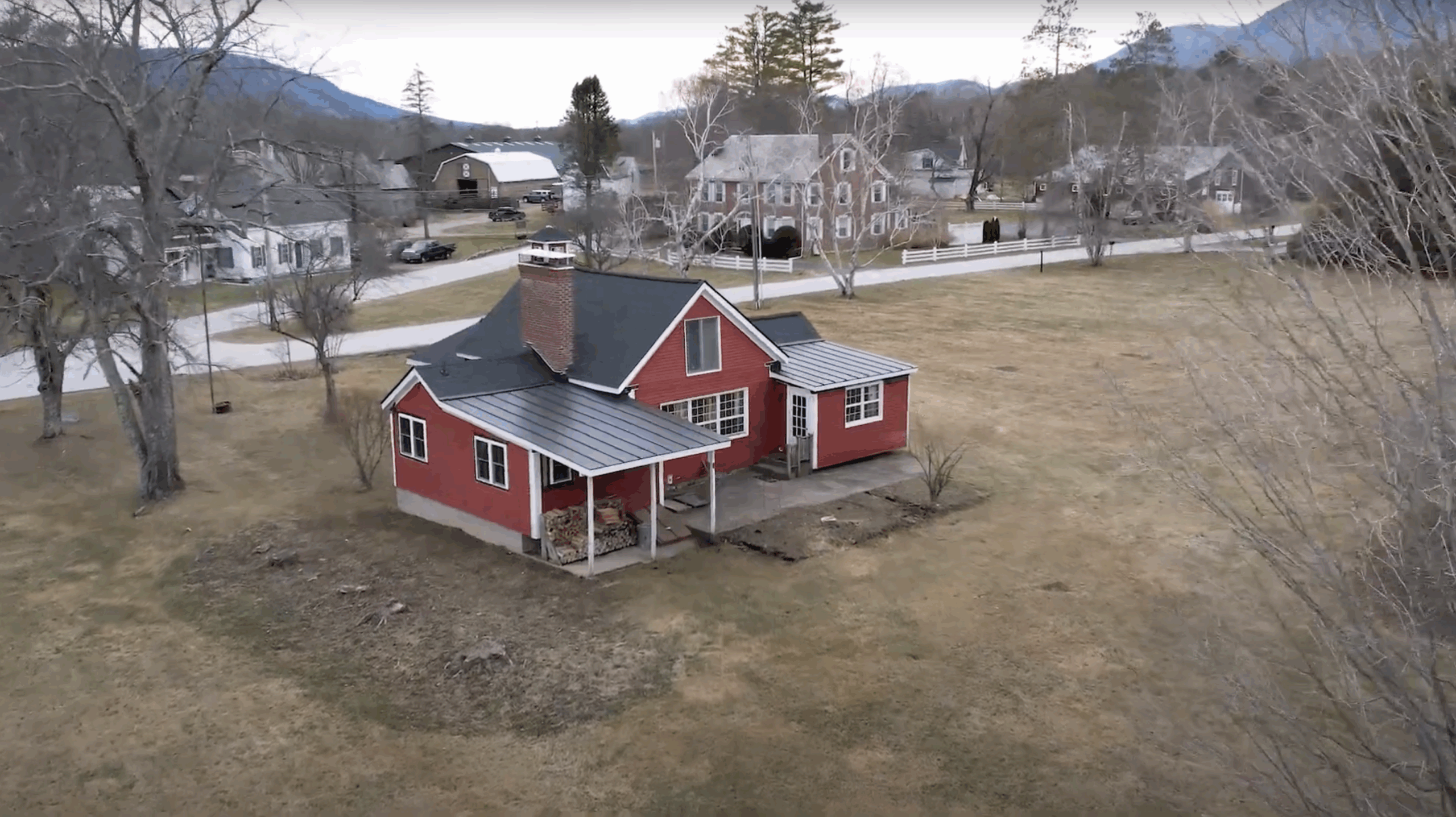
Vermont’s landscape is graced with some of the most beautiful historic homes in New England. From elegant Victorian mansions to charming Colonial farmhouses, these architectural treasures tell the story of our state’s rich heritage. We specialize in preserving the character and integrity of these remarkable properties through expert historic home restoration. One of the most critical aspects of any restoration project is selecting and installing the right roof; a decision that requires balancing historical accuracy, modern performance standards, and long-term durability.
As experienced historic home restoration contractors, we understand that replacing a roof on a historic property isn’t simply about choosing materials that look old. It’s about honoring the original craftsmanship, meeting preservation guidelines, and ensuring your home remains protected for generations to come.

Understanding Historic Preservation Standards
Before selecting roofing materials for your historic home, it’s essential to understand the preservation standards that may apply to your property. Many historic homes in Vermont are listed on the National Register of Historic Places or located within designated historic districts, which can affect your roofing choices.
The Secretary of the Interior’s Standards for Rehabilitation provide guidelines for preserving historic properties, emphasizing the retention of historic character, including rooflines, materials, and architectural details. In Vermont, many municipalities have historic preservation commissions that review proposed changes to historic properties.
At Vermont Construction Company, we have extensive experience navigating these approval processes and can guide you through the necessary documentation. It’s important to note that preservation standards don’t always require exact replication of original materials. Suitable alternatives that maintain visual appearance while offering improved performance are often acceptable when working with knowledgeable historic home contractors.
Common Roofing Materials on Vermont Historic Homes
Understanding the original roofing materials used on historic Vermont homes helps inform appropriate restoration choices:
- Slate Roofing: Extremely popular on homes built between 1850 and 1920, Vermont’s rich slate quarries made this material readily available. Slate roofs can last 75 to 150 years or more with proper maintenance.
- Wood Shingles and Shakes: Commonly used on Colonial-era homes and throughout the 19th century, cedar shingles offered natural weather resistance and an authentic rustic appearance.
- Metal Roofing: Standing seam metal roofs, terne-coated steel, and copper became increasingly popular during the late 1800s and early 1900s. Metal’s durability and snow-shedding ability made it practical for Vermont’s climate.
- Clay and Cement Tiles: Found on some Vermont historic homes, particularly those with Mediterranean or Spanish Colonial Revival influences from the early 20th century.

Choosing Slate Roofing for Authentic Restoration
For many Vermont historic homes, slate represents the most historically accurate roofing choice. Natural slate offers unmatched authenticity with natural color variations and textures that cannot be replicated by synthetic materials. While the initial cost is substantial, a properly installed slate roof can last over a century.
When selecting slate for historic restoration, consider these important factors:
- Color matching: Match the original slate color to maintain historical accuracy (gray, green, purple, or red)
- Size and thickness: Historic slate dimensions varied by period and region
- Installation pattern: Uniform, graduated, or random patterns were used in different periods
- Salvaged vs. new slate: Salvaged slate can provide perfect matches, while new slate offers better long-term performance
Working with experienced historic home restoration contractors ensures proper installation using appropriate underlayment, flashing techniques, and fastening systems.
Alternative Roofing Materials for Historic Homes
While authentic materials are ideal, alternatives are sometimes necessary due to budget constraints or structural limitations:
Synthetic Slate can closely replicate natural slate’s appearance at a fraction of the cost and weight. Premium synthetic products convincingly replicate authentic slate from ground level, making them an acceptable compromise when needed.
Architectural Asphalt Shingles offer dimensional profiles and color blending that can suggest wood shakes or slate from a distance. Choose products with appropriate colors and textures for your home’s period.
Metal Roofing Systems work beautifully on many historic Vermont homes, especially those originally constructed with metal roofs. Standing seam metal provides excellent performance, shedding snow efficiently and lasting 50 years or more.
Cedar Shingles remain excellent choices for Colonial-era homes. Fire-treated cedar can satisfy both historical accuracy and modern safety requirements.
Always consult with knowledgeable historic home contractors to ensure proposed materials satisfy preservation standards and local historic commission requirements.
Structural Considerations for Historic Home Roofing
Historic homes present unique structural considerations that impact roofing decisions:
Weight Capacity: Slate and clay tiles are significantly heavier than asphalt shingles. We conduct thorough structural assessments to determine whether existing framing can support heavier materials or requires reinforcement.
Roof Deck Condition: Original decking might be widely spaced boards rather than continuous plywood, requiring evaluation for your chosen roofing material.
Ventilation Requirements:. Modern codes require proper attic ventilation, which must be integrated carefully to avoid compromising historical appearance.
Historic Framing Systems: Some historic homes may include hand-hewn timbers or unusual configurations requiring specialized knowledge during installation.
Working with Local Historic Preservation Committees
Many Vermont historic home restoration projects require approval from local preservation committees. These committees evaluate material choices, colors, and impact on historic character.
When preparing applications, we help homeowners compile necessary documentation, including:
- ing:
- Historical research on original roofing materials
- Material specifications with samples
- Current condition photographs
- Architectural drawings, when needed
As experienced historic home contractors, we understand what preservation officials look for and how to present proposals that demonstrate respect for historical integrity while meeting practical needs.

Balancing Authenticity with Modern Performance
One of the biggest challenges involves balancing historical authenticity with modern building codes addressing fire resistance, wind uplift, and energy efficiency.
Fire Resistance: Fire-retardant treatments can bring historic materials into compliance while maintaining an authentic appearance.
Wind Uplift Standards: Modern fastening systems and installation techniques improve wind resistance without visible changes.
Energy Efficiency: Modern underlayments, insulation, and ventilation improve performance without compromising historical character.
Ice Dam Prevention: Critical in Vermont’s climate, modern membranes and proper ventilation protect roofs without visible exterior changes.
At Vermont Construction Company, we’ve developed techniques for incorporating modern improvements within traditional roofing systems, ensuring your historic home performs well while retaining its character.
Maintenance Considerations for Historic Roofing
Different historic roofing materials require specific maintenance approaches:
Slate Roofing requires monitoring and promptly replacing damaged slates, maintaining proper flashing, and keeping gutters clean. With proper maintenance, slate roofs can outlast several generations.
Wood Shingles need regular cleaning to prevent moss growth, prompt replacement of damaged shingles, and periodic treatments with preservatives.
Metal Roofing maintenance varies by type. Copper develops protective patina, while painted metals may require periodic repainting. Standing seam roofs need occasional fastener inspection.
We recommend annual inspections by qualified historic home restoration contractors to identify minor issues before they escalate.
Our Tried and True Approach
Our approach combines deep respect for architectural heritage with modern technical expertise. We begin with comprehensive research into your home’s history and original construction, examining historical photographs and similar properties to understand the appropriate roofing choices.
We conduct detailed structural assessments and maintain open communication with homeowners and preservation officials throughout the project. Our craftsmen receive specialized training in historic roofing techniques, whether installing slate using traditional methods or working with antique copper.
Making Your Historic Roofing Decision
Start by researching your home’s original roofing material and architectural style. Consult local historic preservation resources and determine whether your property is subject to preservation restrictions. Consider your budget realistically, remembering that quality materials and expert installation protect your historic property for decades.
Most importantly, partner with experienced historic home restoration contractors who demonstrate a genuine understanding of preservation principles. At Vermont Construction Company, we’re passionate about preserving Vermont’s architectural heritage, and we’d be honored to help protect your historic home.
Protecting Vermont’s Architectural Heritage
Your historic home is more than just a residence; it’s a tangible connection to Vermont’s past and an irreplaceable part of our community’s character. Vermont Construction Company brings decades of experience as trusted historic home contractors throughout Vermont. We understand the unique challenges historic properties present and possess the expertise to address them successfully.
Contact our roofing division at Vermont Construction Company today to discuss your historic home restoration project and preserve your piece of Vermont’s architectural history for generations to come.